💸 “There Is No Magical Money Button.” with Captivate’s Elsie Escobar on 2027 Planning and Sustaining an Independent Podcast
Eurowaves x Captivate Interview #50

Before we get into it, a thank you to Captivate for sponsoring Eurowaves!
SPONSORED
Part of Global, the Media & Entertainment Group, Captivate is a podcast hosting platform built for independent, growth-focused creators. It brings hosting, distribution, IAB-certified analytics, marketing and workflow tools together with flexible monetization options, including Captivate Marketplace, Programmatic Ads and Campaign Management.

Elsie Escobar is a longtime leader in the podcasting space and a champion for independent creators. After nearly two decades in the industry, she’s now focused on helping creators build sustainable, values-driven work through her mentorship programs and her media platform, Multimodalee. Under the Multimodalee umbrella, she’s currently developing a new private podcast called Slight Spiral Dispatch — a behind-the-scenes exploration of voice, leadership, technology, and what it really means to build something that lasts as a creator today. She’s the creator of The E-League and Creative Sovereignty Sessions, where she works with established creators navigating growth, burnout, reinvention, and long-term vision.
Elsie also works alongside the team at Captivate as Creator Success and Community Manager, supporting independent podcasters inside their ecosystem.
You can connect with Elsie on LinkedIn here.
What’s your podcasting origin story?
The fifth-generation video iPod! I was given one for Christmas in 2005, but at the time I didn’t own any digital music. Everything I had was on CDs and even a few tapes, and I didn’t want to buy all of that music again just to use my new device.
When I opened iTunes, I saw these things called podcasts. They were free, I was curious, and I started downloading them. That was it. I started listening and fell in love with what was possible: the asynchronous nature of it, how down-to-earth it felt, and the ability to return to a conversation whenever I wanted. It all started because I was trying to figure out what to put on this new iPod.
What motivated you to join the Captivate team and continue your mission of supporting podcasters there?
I had known Mark Asquith and Kieran McKeefery for years through the podcasting conference circuit, and Captivate always stood out to me. Professionally, I admired how the team showed up: the branding, the clarity of the marketing, and the quality of the educational content and resources. And the innovation! I loved how creative they were. Captivate was always trying something I hadn’t seen another podcast-hosting company do, or taking an idea further in a way that was genuinely useful to independent podcasters. I would point to Captivate’s work even when I worked elsewhere and say, “Look at what they’re doing.”
But the real reason I could see myself joining Captivate was the people. The team is kind, accessible and down-to-earth. There are no airs. They genuinely want to support people who choose to put their voices into the world.
Podcasting has changed enormously as the industry has grown and more money and larger companies have entered it. At times, I wondered whether the collaborative, service-oriented spirit that drew me to podcasting still existed. Captivate (and the humans who make it what it is!) reignited my love of this work. Being around people who still believe in being helpful, being of service and doing good work simply because it is the right thing to do has settled something in me. I feel deeply connected to that.
For those unfamiliar with it, what is Captivate and how does it stand out from other podcasting platforms?
Captivate is a podcast-hosting platform: it is where you publish and manage your show, create the RSS feed that distributes it to podcast apps, and access the tools that help you operate, grow and monetize it.
What stands out to me is that Captivate is built with the independent podcaster in mind, the person who wants room to grow, experiment and decide what success looks like for their own show. Some platforms naturally optimize around podcasts operating at enormous scale. To be clear, I’m talking about download volume here, not the value or quality of the podcast. With Captivate, you don’t have to become one of those enormous shows before you can start experimenting with the tools that help you grow and monetize in a way that makes sense for you and your audience.
You can host multiple shows, create public or private podcasts, manage guests, build podcast websites, study your analytics, create memberships, accept tips and use dynamic content and advertising tools. Captivate Assistant can also support tasks such as transcription, chapters and other parts of the episode workflow.
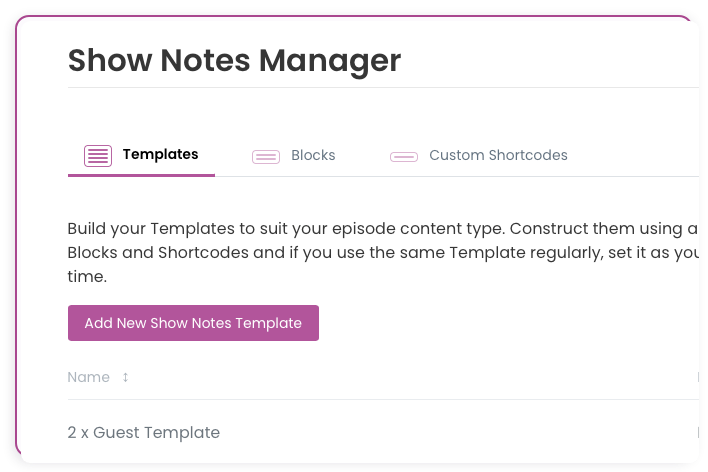
One of my favourite features is the Dynamic Show Notes Builder. Imagine that every episode points listeners to your email newsletter. If you move that newsletter from one service to another, you don’t want to manually edit years of episode notes. With a reusable show-notes block, you update the call to action and link once, and the change appears everywhere that block is used. You can apply the same idea to sponsors, campaigns and other time-sensitive messages.
Having access to a tool doesn’t automatically mean you are going to grow or make money. There is no magical money button. But having the tools gives you choices. You can test different ways of working, different revenue models and different ways of serving your audience, then pay attention to what actually works for you.
As the year ends, it’s time for podcasters to take a brief hiatus and audit their show. What are some of your top tips?
My first tip is to take care of yourself. You are the reason the podcast exists. Podcasting asks a lot of us, and people are burning out faster than I have ever seen. Actually put the rest on the calendar. Plan the break.
That doesn’t necessarily mean your show has to disappear. If making special holiday episodes fills you up, great! Make them and have fun with them. Just be conscious about what you are choosing. With one of my previous podcasts, we would clearly tell listeners when our final episode of the year was and when we would return in January. We loved podcasting, but trying to keep the regular schedule going through the holidays made it much harder to live our lives and be with our families. Naming the break gave us space without leaving the audience wondering what had happened.
Then look back and plan for success, and I don’t mean success only as a download number. How many episodes did you publish? Which ones did you enjoy making? Which ones did your listeners respond to? Where did your workflow create friction? Was there a month when creating the show became especially difficult? If July was awful, what could you put in place by April so that you don’t end up in the same situation again?
One of my favourite questions is: What do you not want to learn again? Please write the answer down, and then ask yourself what needs to change so you don’t have to learn it again next year.
I would also look closely at your calls to action. There tends to be an influx of podcast listening around the end and beginning of the year, so be really clear about what you want someone to do next. Should they follow the show, join your email list, visit a resource or become part of your community? A memorable destination and links you can update help the people discovering an older episode know how to connect with you now.
And if you run ads or work with sponsors, audit those commitments too. Maybe you sold a full year and suddenly realized you still owed episodes at the exact moment you wanted to take December off. That is useful information for the next agreement. You may not want to promise 52 episodes next time! Maybe 45 is the number that lets you deliver what you promised and still make room for your life.
How can Captivate help podcasters prepare to grow their show in the new year?
I think the first thing is to stop and figure out what your podcast actually needs. Captivate has a lot of tools: you can plan episodes, understand performance, measure links, manage guests, keep calls to action current and make parts of the workflow much easier. But the tool needs to support something you have actually decided you want to do. Where are you now? What are you trying to build? What needs to change? What would genuinely support the podcast moving forward?
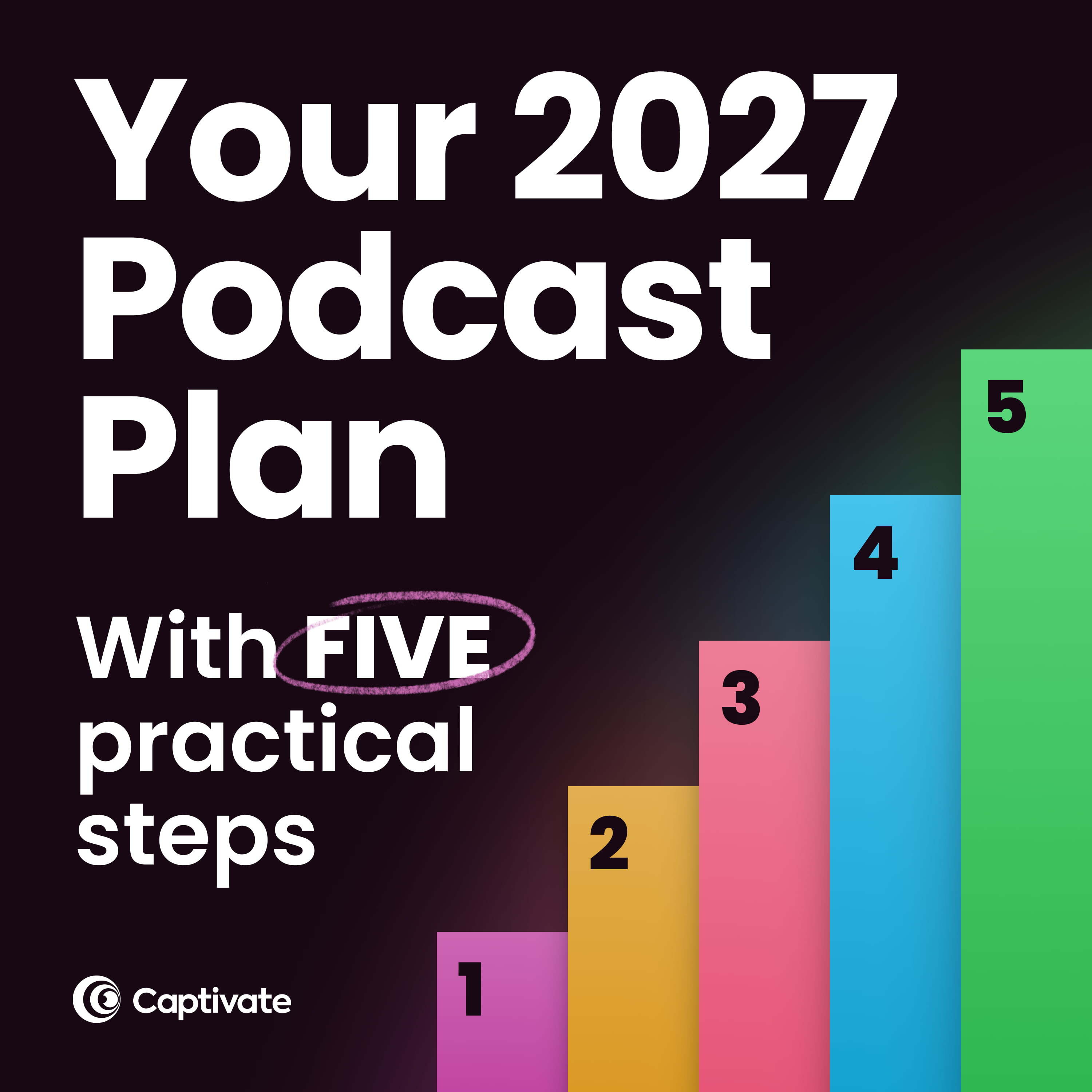
That is exactly why we are creating a free private podcast called Your 2027 Podcast Plan. It is only five episodes, not another podcast you have to keep up with forever! Whether you are thinking about starting a podcast or you already have one, the series will guide you through those questions and help you come away with a practical plan for the coming year.
We are making it private on purpose. There is an intimacy to having this little audio experience between us, with information that is distilled and focused on helping you make your next decisions. I will also be bringing some wonderful voices into the series so it isn’t only me talking at you. When you register, you’ll receive the trailer and access to the private feed. The five full episodes will arrive later in November, and you can use the link with this interview to sign up!
Podcast monetization is one of the most difficult challenges podcasters face. How can they maximize Captivate’s tools to monetize their shows?
The biggest thing I want podcasters to understand is that monetization does not have to mean one thing. Captivate gives you different ways to explore it: direct sponsorships, dynamic campaigns through AMIE, advertising opportunities, paid memberships, exclusive or early-access content and one-off listener tips. You can also use those tools to promote your own products, services, events or community. Monetization doesn’t begin and end with waiting for a large brand to buy an ad.
None of that is magical money. Switching on a feature doesn’t mean income suddenly appears in your account. You still need to understand your audience, offer something relevant and pay attention to what people respond to.
What I love is that you have the space to try things. You might run a sponsor campaign for a defined period, use dynamic audio to promote one of your own offers, build a membership around bonus content, or invite listeners to support the show through tips. You get to find the model, or combination of models, that makes sense for your podcast and your listeners.

What are some ways podcasters can get involved in the Captivate community?
Honestly, the best thing you can do is follow our Captivate content and events calendar. That is where you can see what is coming up and register for the sessions that feel most useful to you.
That includes Captivate Growth Labs, which are deeper sessions focused on strategy, marketing and audience growth, and our regular Office Hours, which are more platform-focused. People can bring questions, explore features and learn how to get more from the tools already available to them.
I also produce and co-host In & Around Podcasting with Rob Walch. We talk through podcasting news and information, bring in guests and invite guest co-hosts - like this episode, with Eurowaves’ Andreea Coscai. The show is our down-to-earth way of talking about what is happening in podcasting and why it matters.
People can also follow Captivate on YouTube for live sessions and educational content, as well as on Threads and Instagram. You can connect with us in all of those places without needing to host your podcast with Captivate.
Share some of your favorite Captivate-hosted podcasts. Bonus points if they’re UK-based/European!
Queue Points: The Black Podcasting Award and Ambie Award-nominated music podcast that is dropping the needle on Black Music history and celebrating Black music through meaningful dialogue. The show is hosted by DJ Sir Daniel and Jay Ray.
The Europeans: A fresh and entertaining weekly podcast about European politics and culture, recorded each week between Paris and Amsterdam with fascinating guests joining from across Europe.
The Sheppertonian: A bi-monthly podcast telling real stories from Shepperton - featuring local groups and local voices. Hosted by Gareth Davies, audio producer and Shepperton resident. Local stories worth hearing - and sharing.
Verbal Diorama: The award-winning indie film history podcast celebrating the history and legacy of movies you know, and movies you don't.
Thank you, Elsie!
Discussion about this post