

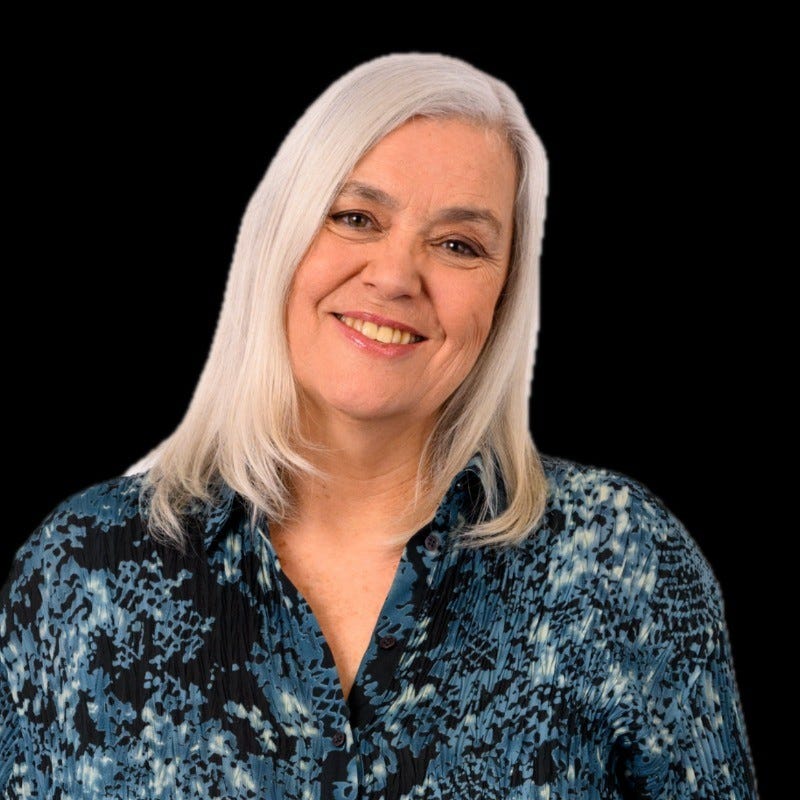
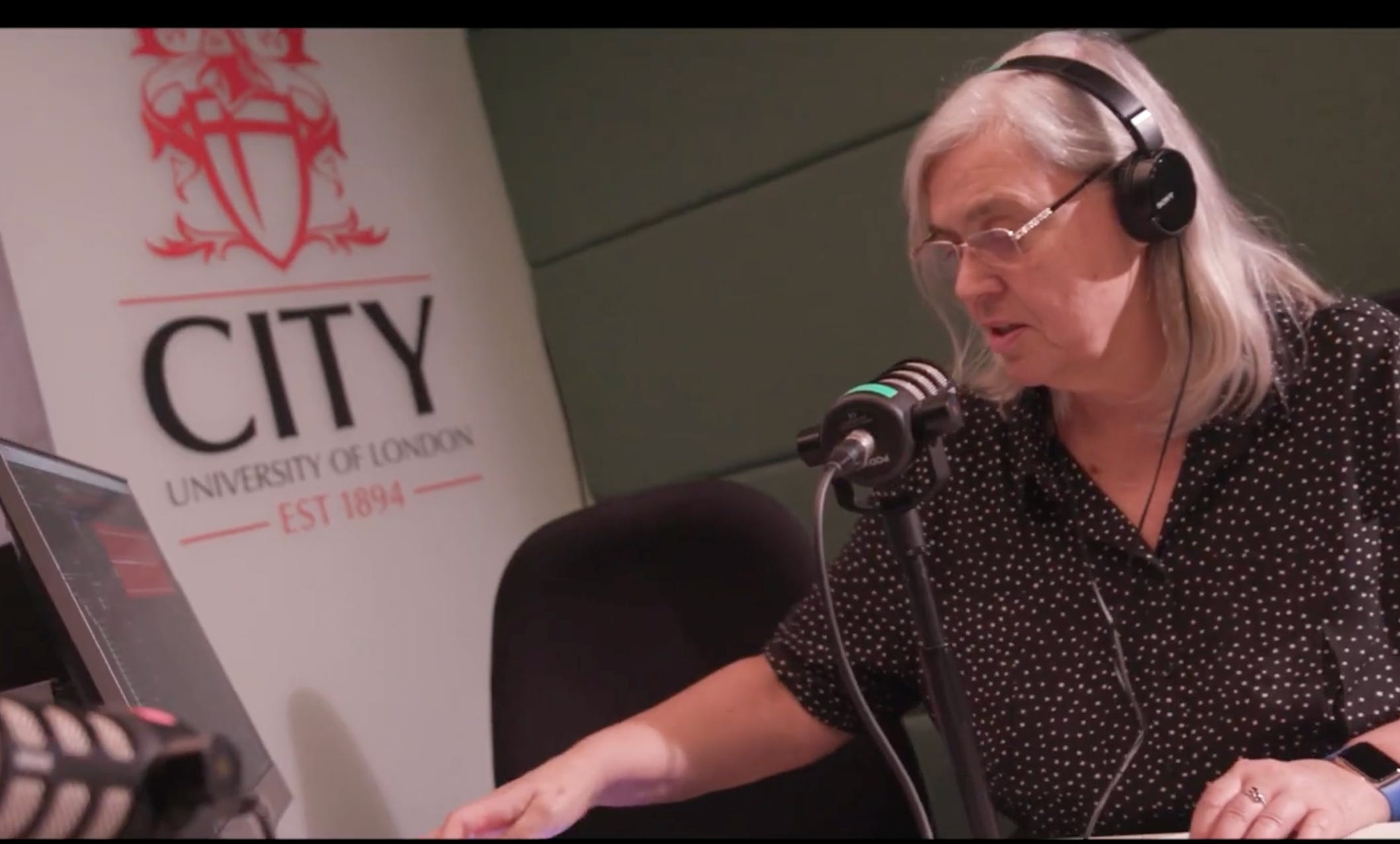
Sandy Warr is a senior lecturer and devised and launched the MA Podcasting at City St George’s University - the first of its kind in the world. She still works as a news anchor on LBC News on Sunday mornings and has spoken at national and international conferences on the ways podcasting is being used within universities.
You can connect with Sandy on LinkedIn here.
What’s your podcast origin story?
I started working in podcasting before I even realised it was a thing .I used to work for a radio station that was part of the Guardian Newspaper group, and part of my job was to record a daily news briefing for digital release. At that stage it didn’t feel significantly different from my radio presenting world and it was only some years later (2015) when I was invited to cohost the Rugby World Cup podcast, also for the Guardian, that the differences really started to register. I remember asking the producer what time he would want me to build in a vocal break for the ads - and being reminded that podcasts are not built that way. Over the following years, in my role at City St George’s University it became increasingly clear that we needed to build podcast teaching into our offering and the idea for the bespoke MA was born.
You have developed the MA Podcasting at City St George’s University and built the curriculum. How was the MA in podcasting born and how has it evolved to keep up with the changes in the industry?
At first we started to offer a single teaching module on podcasting and like many radio presenters I initially was working with the thought that a podcast and a radio show were essentially the same thing, just delivered differently. But as we started teaching the problems with that became evident. Podcasting has different approaches to content creation, storytelling, using sound, the way the journalist is positioned within the story etc. Then you add in the debate around visuals, the way the technology impacts what you do, how to market and monetize the product. It became clear that we could not teach podcasting in a ten week course with just two hours a week.
Launching an entirely new degree is a horribly complex and time consuming process, but it needs to be because we are asking students to invest a lot of time and money into learning skills. I wanted to be sure that my own impressions of what was needed were matched by what the industry wanted, and also whether there would be jobs for people we trained up. The industry was immensely helpful and enthusiastic in supporting the launch and development of the course with bursaries and financial support for students and quality work experience.
With all of our courses we constantly adjust and update. We have brand new digital video spaces about to come online so we can update out offerings there (especially around production for YouTube) and we are also teaching how to use AI tools.
I believe, however, that the key skills we can teach our students are not actually about the technology as that is constantly changing. It is about developing ideas, finding authentic and creative ways to tell stories and understanding audiences and business skills.
You’re also in the middle of a PhD in podcasting education. What does that look like and how do you see the future of podcasting education?
Very early days to draw any conclusions at the moment but it IS clear that podcasting sees itself now as a distinct and mature market with established ways of working and core skills required to gain work. There are challenges about how we can create realistic simulations of B2B content creation and meaningful work experience because of the long-form nature of much of the way the industry works (not least because a lot of work is done remotely and it is hard for young people to stand to understand the culture and how they might fit into the environment if they are not actually GOING anywhere but working from home) Our learnings from podcast education at City St George’s are now being embedded across all of our journalism teaching. Some of the core skills are now offered on each of our pathways, we continue to build a higher priority for digital content creation and a mature understanding of audience dynamics.
What are some of your favorite student success stories from over the years?
I am always immensely proud of the people I have helped to start their broadcast journey. I adore it when the BBC Newscast podcast features two of my former pupils - Adam Fleming and Chris Mason in discussion. Former student Dino Sofos does amazing work with his company Persephonica and the Crossed Wires festival in Sheffield. One former student Thuy Dong recently posted on Linkedin about how podcasting has taken her from her place of birth in Vietnam to be a regular visitor to Downing Street. Another student who was the winner of our Spotify bursary went to New York with Goalhanger to work on their Netflix series. I think it is the speed of the success of our MA Podcast students that has been so incredible to witness.
How can one know when is the right moment to pursue an academic program in podcasting as opposed to DIY-ing it, as many do?
That’s SO hard to answer. I obviously believe a degree in this area is useful not least because it connects you directly with industry through our work placements and regular events at the campus. If you want to earn a living from podcasting then you need to know the legal boundaries, the tips for getting sponsors or partners, etc.
What are some of the projects and, maybe even research, City St George’s University currently runs for podcasting?
We are currently looking at ways we can assist our own researchers across the University to get more impact and audience for their research work. Colleagues are doing amazing work about understanding trauma, developing medical breakthroughs, looking at new technologies, providing insights into global politics and business practices. For the students they have their own platform where they can publish their projects.
How do you see the future of European podcasting, especially as related to collaborations between institutions supporting podcasting?
One area which I know some colleagues are working on, is to find a way for podcasts to be recognised as academic publications in their own right. We feel it is perfectly possible to demonstrate the quality of references and resources in chapter notes and for content to be peer reviewed before publication.That could be a game changer for knowledge sharing. There’s a fascinating and developing conference series in the UK looking into exactly this.
Share some podcast recommendations with us from previous students.
Mind the Pod on Audible and Flight Risk.
Thank you, Sandy!