


🇪🇺🎙️Katy Lee on How The Europeans Redefined Politics Podcasting🎙️🇪🇺
Eurowaves #5 Interview

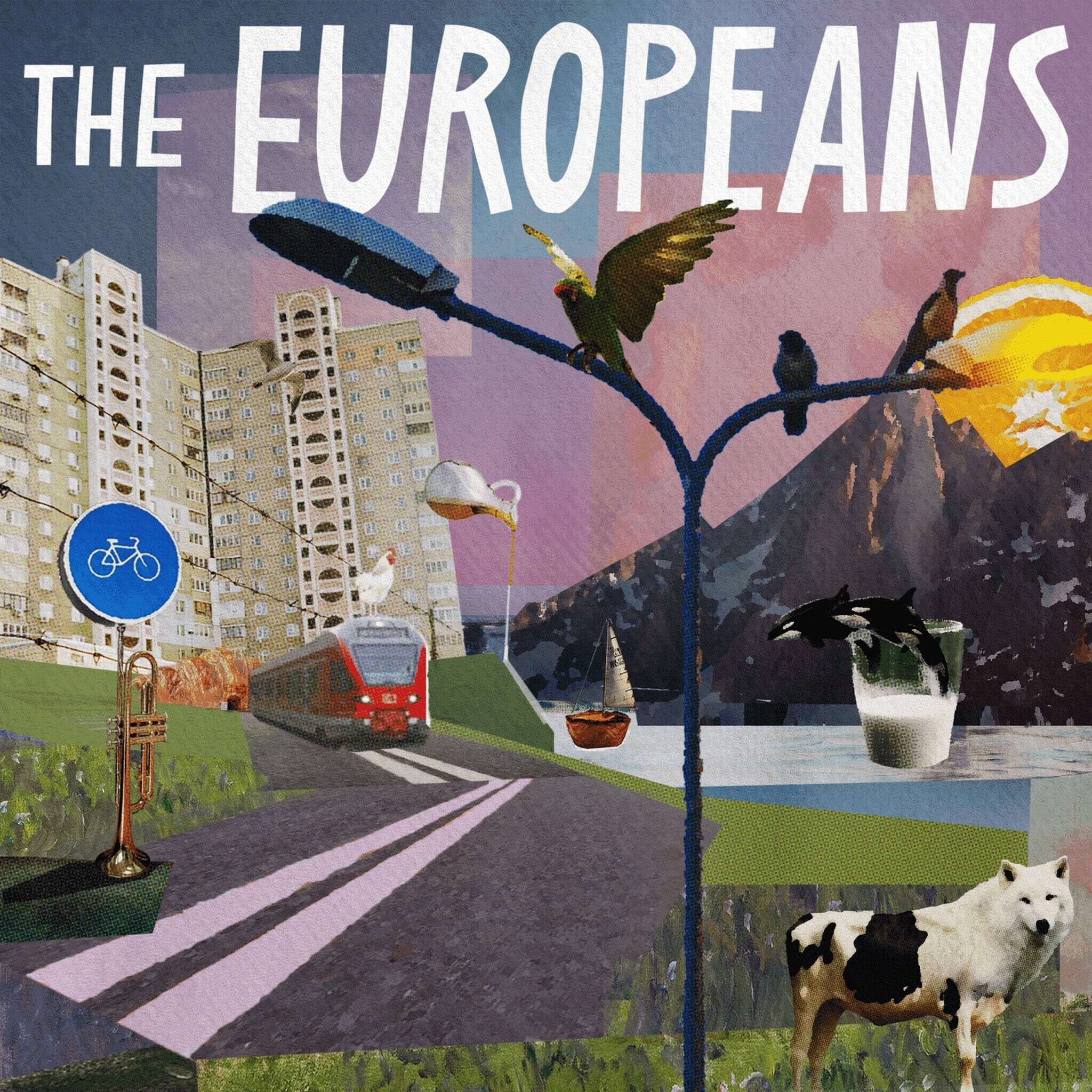
When we talk about European podcasts, ask anyone on the continent or beyond, and they’ll likely mention The Europeans. This podcast makes world events and politics fun! And when the topics aren’t exactly fun, they still keep them engaging and accessible. There are plenty of well-produced, mind-blowing podcasts covering European affairs, but this one stands out. Read on to find out why!
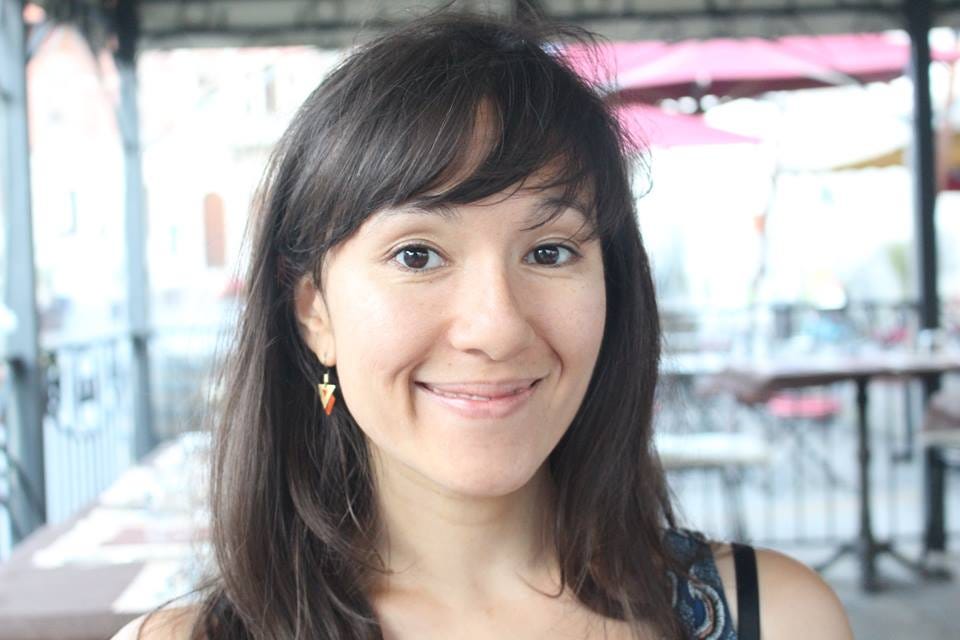
You can find Katy on Linkedin and listen to The Europeans wherever you get your podcasts.
Katy Lee is a print and audio journalist based in Paris. Since 2017 she has been one of the co-hosts and producers of The Europeans, an award-winning podcast about European politics and culture.
What inspired you and Dominic to create The Europeans, and how has your vision for the podcast evolved?
Dominic and I have been friends since meeting at university in the UK (a very long time ago!). Podcasting boomed in the years that followed, and as audio obsessives, we’d often send each other recommendations for things to listen to.
We had also, by coincidence, both moved to continental Europe—Dominic to Amsterdam and me to Paris. Dominic is an opera singer by profession, and I’m a journalist. We’ve both been lucky to work with people from all over Europe and travel across the continent for our work. This has given us the privilege of experiencing what an amazingly diverse place Europe is in terms of its people, cultures, and landscapes.
In 2016, the UK voted to leave the European Union. It was a major shock for both of us as Brits living in Europe. One thing that really stood out in our conversations after the vote was how ‘Europe’ had been treated in the UK media. The European Union, in particular, was always depicted as something very boring and complicated—something you’d never understand no matter how hard you tried.
Our life experiences had taught us that ‘Europe’ was much bigger than just the EU. It was also its incredible diversity in music, different countries’ senses of humor, and so many other things. At the time, there didn’t seem to be any podcasts that reflected this version of Europe—only dry ones about EU politics aimed at people who worked in Brussels. So, we had the idea to start a podcast that celebrated European culture while also making European politics more accessible for people outside the EU bubble. People like us: curious individuals living in Europe who wanted to better understand their neighbors and feel more connected.
Our original plan was to create a kind of European version of This American Life, with narrative stories about everyday Europeans. We quickly realized we didn’t have the kind of budget needed to produce something like that (in fact, we had no budget at all). So, we started with a much simpler format—calling each other every week between Amsterdam and Paris to discuss major news stories, highlight underreported ones, and interview interesting people from across Europe.
This format has served us well and remains the backbone of the show. However, as we’ve grown and monetized the podcast, we’ve been able to branch into narrative reporting. This means that we now occasionally produce episodes that sound much more like the This European Life we originally envisioned. We love both formats, and one of the great things about podcasting is its flexibility—it allows you to experiment and explore different approaches within the same feed.
Your show highlights underrepresented stories from across Europe. What challenges have you faced in finding and telling these stories?
For our weekly show, our team usually scours national media across Europe to find stories worth discussing. Between us, we speak six languages and can read in a few others, but being able to speak even more languages would certainly help us catch stories we might be missing (although Google Translate is a big help!). Our audience, which is spread across Europe, is also great at sending in suggestions for stories that may have flown under our radar.
Even with these strategies, we know that we miss important stories—especially in countries where independent media is under pressure or being repressed, meaning crucial stories might not even make it to the news.
For our narrative episodes, we’ve often focused on telling personal stories of Europeans. One challenge we face as a podcast is that we generally need to interview people who speak English well. We’ve never found dubbing to be a great solution for podcasts, and while some major podcast apps now offer subtitles, those don’t help people who listen while walking, cooking, or doing other activities. This has led to an uncomfortable over-reliance on the voices of highly educated, relatively privileged Europeans who are comfortable being interviewed in English.
To address this, our producer Wojciech Oleksiak has been experimenting with AI tools to clone interviewees’ voices (for example, in the episode The Big-Agri Bully Boys). This allows us to interview people in their native language and then generate English audio that still sounds like them—maintaining their voice and accent. It’s a time-consuming process, but the results are impressive, and we’re excited about the potential of this technology to help us feature a much broader range of voices. I’m generally cautious about AI, but this is an application that seems genuinely useful.
Cross-border collaboration is central to your work. What do you think makes podcasting such a powerful tool for connecting Europeans?
Its intimacy. I spent many years of my career as a print journalist, and while I still love writing, I’ve always been drawn to how audio can instantly convey the emotion of a situation.
We wanted The Europeans to feel like listening to a conversation between well-informed friends, and we love when listeners tell us they enjoy the tone of our show—warm and friendly, yet still highly informative. That’s one of the things about podcasting that helps connect Europeans: when you listen to a show, you’re choosing to spend time with the hosts and their guests each week. It’s different from simply turning on the radio as background noise. It’s deliberate.
Because of this, people often form close relationships with their favorite podcast hosts in a way that doesn’t happen with traditional media. There’s a parasocial element that helps The Europeans feel like a friendly space where people can gather for 40 minutes a week to explore their European identity.
How do you balance making European current affairs accessible to a global audience while staying true to the complexities of the topics?
There’s a cliché in journalism: “Explain it like you were explaining it to your mum.” I’ve always found that a bit sexist—why is it always a mum, and why assume she wouldn’t understand complex things?! Instead, my approach when writing scripts for The Europeans is: “Explain it like you were in a bar, talking to a friend who doesn’t know much about politics.”
Our listeners are smart, but we don’t assume they already understand the ins and outs of the EU or the political systems of every European country. In fact, we’re on a journey of learning alongside them. We use a deliberately casual tone—just as we would in any conversation with friends.
One segment that makes complex topics more accessible is Good Week, Bad Week, where Dominic and I each choose a European politician, country, or public figure and explain why they’ve had a particularly good or bad week. This format works well because one of us is always in the dark along with the listeners, allowing us to ask questions in real-time, much as a listener might.
We’re also aware that we cover politics and cultures from countries we don’t live in, which means we sometimes lack full context. For particularly sensitive stories, we often run our scripts by someone from that country to ensure we’re getting the nuance right.
What’s one piece of advice you’d give to podcasters who want to explore international themes or foster a sense of community across borders?
Interview people from across those borders!
There’s a particular style of journalism—especially in the U.S.—that assumes you can understand a place simply by reading foreign reporting in your own language and then offering your own analysis. I find this approach arrogant. In audio journalism, I’m less interested in hearing one person’s ‘take’ on international affairs—I want to hear from people with firsthand experience.
No matter your podcast’s focus—whether politics, sports, or something entirely different—invite guests from different places to weigh in. Things can look very different from the other side of a border, and your podcast will be richer for reflecting that.
Bonus Question: Is international collaboration part of your strategy for growing the podcast’s audience? What partnerships are you open to?
Absolutely! We’ve collaborated on cross-border investigations with journalists in Hungary and Bulgaria, as well as with Lighthouse Reports, a Netherlands-based investigative outlet. These partnerships have been invaluable, allowing us to work with journalists who can conduct interviews in languages we don’t speak and provide essential local context.
We’re very open to more collaborations like this—the challenge is finding the time! We’re already working on an ambitious mini-series this year, but we’d love to continue exploring these kinds of partnerships in the future.
Interesting! Thanks so much for this interview. I've been looking for cross-border podcasts recently, and this is definitely one! :)