
🌠 Heading North: What we can learn from Nordic Podcasting
Eurowaves #26

Hey podcasters,
I’m thrilled for this issue because it marks the start of Eurowaves exploring the Nordic podcasting scene. You’ll read an interview with Thomas Veheim (Norway) that answers questions like: an overview of the local market, Norway’s podcasting union (Norsk Podkastforening), cross-border opportunities for collaboration, and Norwegian podcasting thought leaders recommendations.
There are still plenty of countries we haven’t yet looked at closely, so 2026 will be all about that, and more. As we’re almost at the one year anniversary of the European podcasting community that we built, we should remember we also have a lot to learn from other continents. So you can expect interviews and insights from LatAm, Asia, Africa, Oceania, etc.
What else do you want to see Eurowaves next year?
Before we get into this issue, I want to remind you all that I am also running a listserv (Google Group) for European podcasters and audio creators. It’s called Eurosounds and it’s a community to share ideas, give shoutouts, ask for help, and build connections. It’s a group of over 400 international members from independent podcasters to executives.
Do you want to join the Eurosounds community?
Reply to this email or message me, and I’ll add you.
And one of my favorite podcasts, The Europeans, is now on Substack:
🇪🇺 Podcasting & Community News 🇪🇺
🇸🇪🇩🇰🇫🇮🇮🇸The Spotify Partner Program expanded to Sweden, Denmark, Finland, and Iceland beginning November 18.
🇬🇧🏆Winners of the AudioUK’s 2025 APAs were announced. The awards, sponsored by Audible, were held at a gala event on Thursday 27th November at the BFI on London’s South Bank.
🇨🇭🎧Inside Geneva is a podcast about global politics, humanitarian issues, and international aid, hosted by journalist Imogen Foulkes. It is produced by SWI swissinfo.ch, a multilingual international public service media company.
🇪🇺🎧Living Planet launched a 3-part mini-series: The Switch. They’re taking a look at how solar became the cheapest form of energy in history: from mega-solar in Morocco’s desert and Spain’s blackout to European gridlocks.
🇵🇹🎙️The Podcast Space helps impact-driven podcasters transform their show into a powerful tool for growth and influence. Look out for a Eurowaves interview with Portugese founder and CEO, Ana Xavier, coming soon!
Eurowaves Update ☘️
Since the last issue, we have…
…+20 new subscribers.
Share this issue with your podcaster friends to keep the community growing.
If you’d like to support my work, you can sign up for a paid subscription. Reply to this email for classified ads and sponsorship opportunities.
Norway’s Podcasting Scene 101 🇳🇴 with Thomas Veheim (Schibsted)
For the past ten years, podcasts have held a special place in my heart. I was there when podcasting was commercialized in Norway, and since then I have worked every day chasing the biggest talents to try and help them establish, grow, and make money from their podcasts. I recently joined Scnibsted as a Client Manager - Scnibsted owns Podme and also has their own podcast inventory.
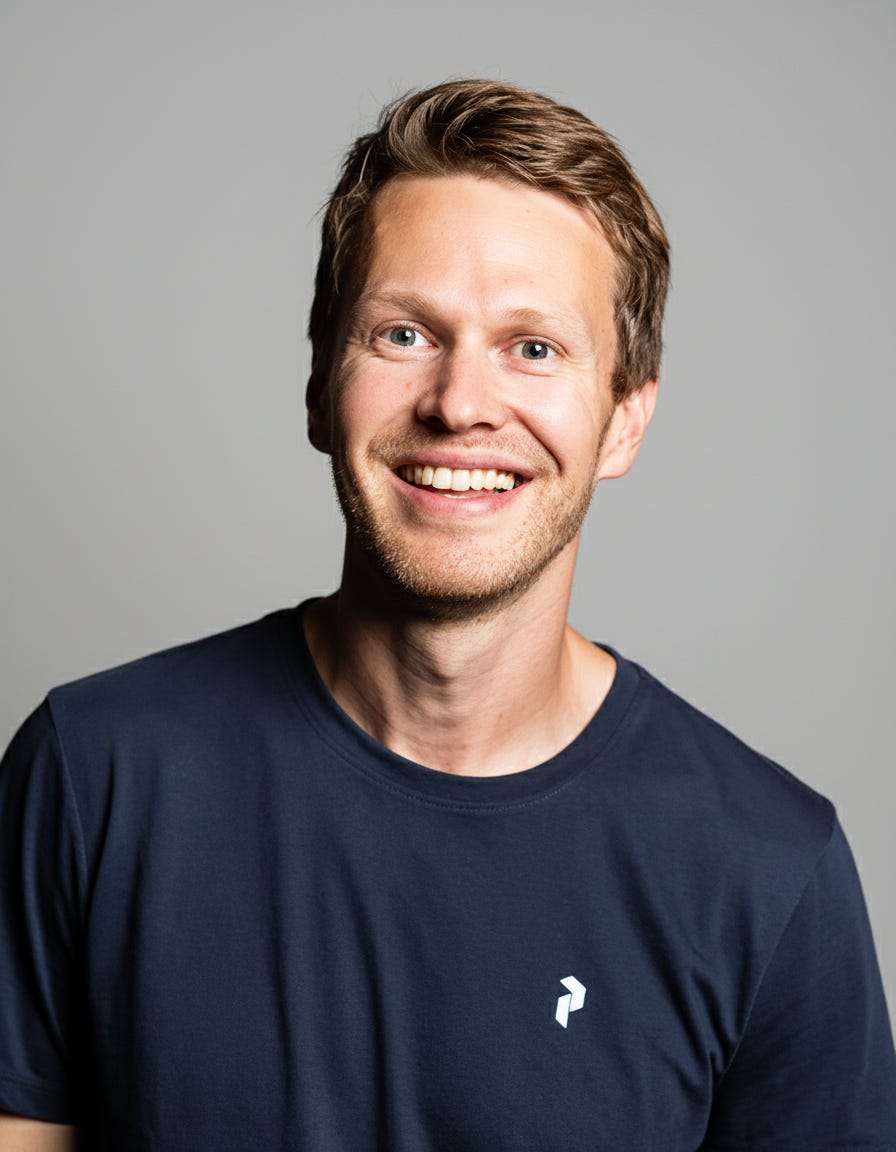
You can connect with Thomas on LinkedIn here.
What’s your podcasting origin story?
My podcasting origin story goes back to 2015. I was working for ADLINK in Norway when we were contacted by the production company Både Og, who were producing Tusvik & Tønne, the biggest podcast in the country at the time. They wanted to know if it was possible to sell advertising in podcasts — and that essentially pulled us into the industry.
Since we had a lot of experience working with influencers, it felt natural to help them move into podcasting. We partnered with Acast, became their representative in Norway, and started building a portfolio of shows. We helped creators develop concepts, reach audiences, and understand how to earn money from podcasting. For a little while, we were actually the only commercial podcast provider in Norway.
As more players entered the market — NRK, Bauer Media, P4, and Moderne Media — the industry grew quickly. In 2019, Acast opened their own office in Norway and early in 2020 we launched Podtoppen, the Norwegian podcast ranker. I eventually joined Acast as Content Director in 2021. Since 2020, I have also been on the board of the Norwegian Podcast Association (Norsk Podkastforening).
During those years, subscription models like Podimo, Podme, and Spotify’s paid offerings developed rapidly, making the market much more competitive and fragmented at the same time. However, Acast still managed to grow its market share, which I’m really proud of.
After this summer, I explored some personal projects like my newsletter PODNYTT, TikTok content, and building my LinkedIn presence.
What makes the Norwegian podcast market stand out, in your opinion? Give us an overview of the local industry.
The Norwegian podcast market is still relatively young, even after almost ten years of commercial activity. The total advertising market value is around 11 million US dollars, which is quite small when you consider that about 50% of Norwegians listen to podcasts regularly. So from an advertising perspective, there’s still a lot of untapped potential.
One thing that really stands out is how fragmented the market has become. PodMe, Podimo, and NRK all operate their own closed platforms with exclusive content. When we first started, everything was open and based on RSS, and listeners could use any app to access any podcast. That’s no longer the case, and it makes it harder for advertisers to get a clear overview.
Another challenge is terminology. The same type of product can have different names across the industry — sponsorships, native ads, spots, branded episodes, “sponsorship plus,” and so on. This makes it confusing for advertisers to understand what they’re actually buying. I think the industry needs to simplify and standardize to unlock more growth.
At the same time, there’s potential in niche podcasts. The biggest shows earn good money, but many smaller creators could benefit from better integration with social media and video. We’re starting to see more podcasters use video clips and platforms like Instagram and TikTok to build their audience, but there’s still room for more strategic bundling of audio and video.
Video podcasts are not yet dominant in Norway. Wolfgang Wee is the biggest example, along with Gutta on YouTube, but overall the video format is still limited here.
As for the main players, Acast, Bauer Media, P4, and Moderne Media are the leading commercial platforms. NRK plays a big role too, though they’re publicly funded like the BBC and don’t operate commercially. Spotify is growing and has recently strengthened its tools for creators, but YouTube isn’t yet a major podcasting force in Norway.
What has Norsk Podkastforening achieved as a podcasting union? And what can other European countries draw from it?
The Norwegian Podcast Association (Norsk Podkastforening) has become an important part of the podcast industry in Norway. When we started about five years ago, it was really just a small group of passionate podcast people who wanted the industry to collaborate more, share knowledge, and build a stronger community. Our goal was to create a space where podcasters, producers, and people working in the industry could meet, learn, and feel supported.
What we’ve achieved is a much more open and connected industry. We’re now also part of Lyddager, which is the biggest audio event in Norway, and for the past two years we’ve organised a large podcast party for the whole industry. Those things have helped strengthen the sense of community and professionalism in the market.
At the same time, we know there’s still work to do. We want to include more people outside of the capital (Oslo). I live in Bergen myself, so I know the challenge. We also want to be more accessible for smaller, independent podcasters who are just starting out. Many of our events attract people already working professionally, but there’s a huge opportunity to support the broader creative community.
And I think that’s exactly what other European countries can learn from us: the value of having an independent organisation that brings the industry together. Even though the Norwegian market has become more fragmented in terms of distribution, having a neutral organization that sits above the commercial competition brings us together. It makes the market more transparent, and it encourages companies to pull in the same direction. When the whole industry talks together and aligns on standards, it becomes easier for creators to grow and for advertisers to invest. That kind of collaboration is something any European market could benefit from.
How much real cross-border collaboration is there in the Nordic podcast scene, and what do you think is the biggest untapped opportunity there?
I think there’s room for more cross-border collaboration in the Nordic podcast scene. Many of the major players already operate across the region so the structure for collaboration is already there.
But I don’t think we’re taking full advantage of it. The intention to collaborate exists, and companies are curious about what’s working in other countries, but the implementation often falls short. Each market has its own dynamics, and teams naturally focus on their local strategies. That makes it harder to actually transfer ideas or adopt solutions that have been successful elsewhere.
We’ve seen some good examples of cross-border success, like the international translations of podcasts such as Sweet Bobby. That shows the potential. And with the rise of AI — especially translation, dubbing, and content adaptation — accessibility across languages is becoming easier than ever before. That opens up new opportunities we haven’t fully explored yet.
I think the biggest untapped opportunity is creating Nordic formats that are built to travel. Each market is small on its own, but together the Nordics represent a strong and very similar audience. If we coordinated better on concepts, rights, and production, we could develop shows with real regional impact. With AI making translation and localisation easier than ever, there’s no reason not to think bigger and build podcasts that work across borders from day one.
The Spotify Partner Program recently expanded to the Nordics. What are your thoughts on this expansion and what do you think it says about the Nordic podcasting space?
I think the expansion of the Spotify Partner Program into the Nordics was only a matter of time. As far as I know, it hasn’t launched in Norway yet (only Sweden, Denmark, Finland, and Iceland), but it’s likely very close. At the same time, I believe it will take a while before the program becomes big enough for advertisers to truly adopt it, and for podcasters to trust it. In other countries, we haven’t heard many concrete examples of podcasters earning meaningful revenue through the program yet, so it still feels early.
Another reason adoption might take time is that most podcasters in the Nordics already have partnerships with local companies, and they’ll want to see clear proof that Spotify can deliver higher revenue per listen before they consider switching. Until then, I don’t think we’ll see a massive shift.
But the moment Spotify enters a market, people pay attention. They are the biggest commercial listening platform in Norway, especially among younger audiences. So podcasters with a young demographic will naturally be curious — and if distribution and monetisation are seamlessly integrated inside Spotify’s platform, many will be tempted to try the Partner Program.
At the same time it feels like something we have seen before. It takes time for new advertising products to take hold in the Nordics, and YouTube’s initiative is another good example of that. The potential is there, but the adoption curve is slow.
What I hope is that Spotify will collaborate more with the rest of the industry in Norway. If they can help make podcast advertising easier to buy and easier to understand, that benefits everyone. And I also hope they eventually join Podtoppen, the official Norwegian podcast ranker. Right now they’re not part of it, and that’s a missed opportunity — both for Spotify and for the overall transparency of the market.
What are some Norwegian podcast creators, thought-leaders, newsletters, and/or companies you think European podcasters should follow?
There are a lot of talented people working in the Norwegian podcast industry, but not many share their thoughts regularly on LinkedIn or through newsletters. One person who really stands out is my former colleague at Acast, Katrine Mari Storgaard Jensen. She’s now Sales Director at Podads, and her newsletter Podpost is definitely worth following.
A few other strong voices and industry leaders include:
Stine Stangenes-Tellefsen (Content Director at Acast).
Christina Eriksen Fagernes (General manager, TV & Podcast, PLAN-B AS)
Rune Hafskær (Chief Digital Officer (CDO), P4 Group (part of Viaplay Group)
Cathinka Rondan (Head of Audio at Norsk rikskringkasting (NRK)
Erik Viig Bratland (Sales Director at Acast)
Fride von Porat (Contry Manager at Podimo, Norway)
Linda Tandberg Martens (Head of Content at Podimo)
Thank you, Thomas!
🎙️🌍 Podcasts in my queue 🌍🎙️
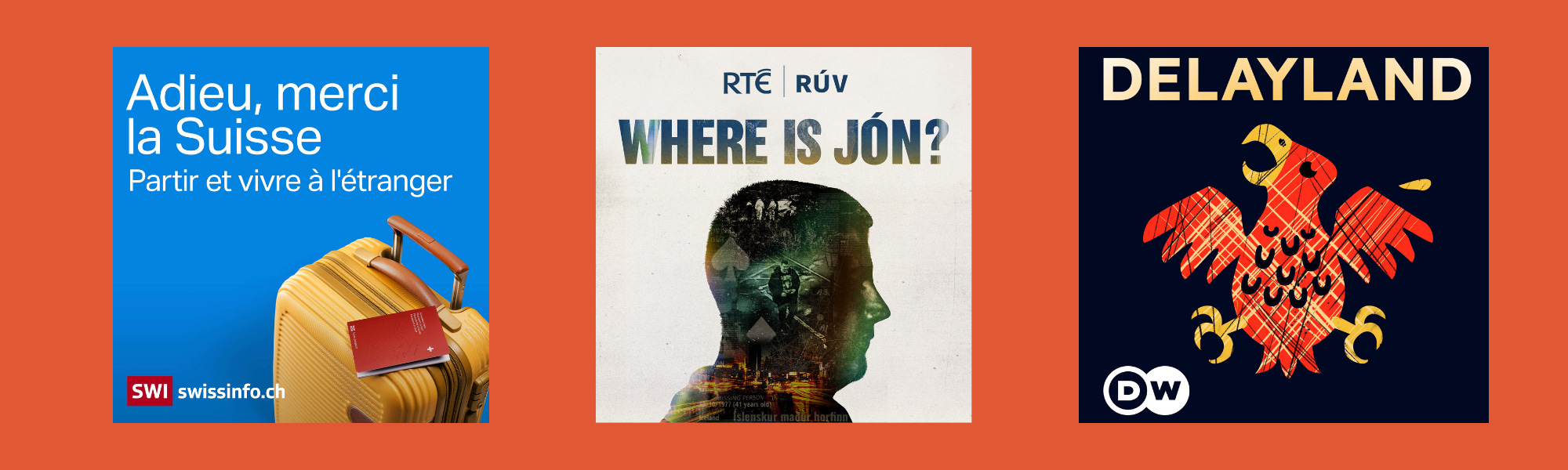
Ade merci, Schweiz / Adieu, merci la Suisse
From SWI swissinfo.ch comes a new podcast that will serve as the ultimate handbook for Swiss citizens as they move abroad. Available in French and German, the podcast sheds light on the realities and challenges of emigrating from Switzerland and offers listeners a deep insight into the experiences of people who have moved or are planning to do so.
A true crime series from RTÉ in Ireland and RÚV in Iceland on the unexplained disappearance of Jón Jónsson, an Icelandic man who came to play at the 2019 Dublin Poker Festival and vanished within 24 hours of arriving in the city. We go in search of what happened to Jón and try to bring him home.
A fantastic cross-border co-production recommended by Katy Lee in last week’s episode of The Europeans!
Delayland – Germany and the Missing Magic
Delayland is a podcast about the difference between the international image of Germany and the reality. Once called an “economic miracle”, listeners are taken on a tour through this country famous for efficiency and its automotive industry, showing all the things that don’t work like they used to. Along the way, the podcast asks what Germany can learn from other countries to get back on track.
What podcasts have you been listening to lately?
🇧🇪 Podcasts from Belgium 🇧🇪
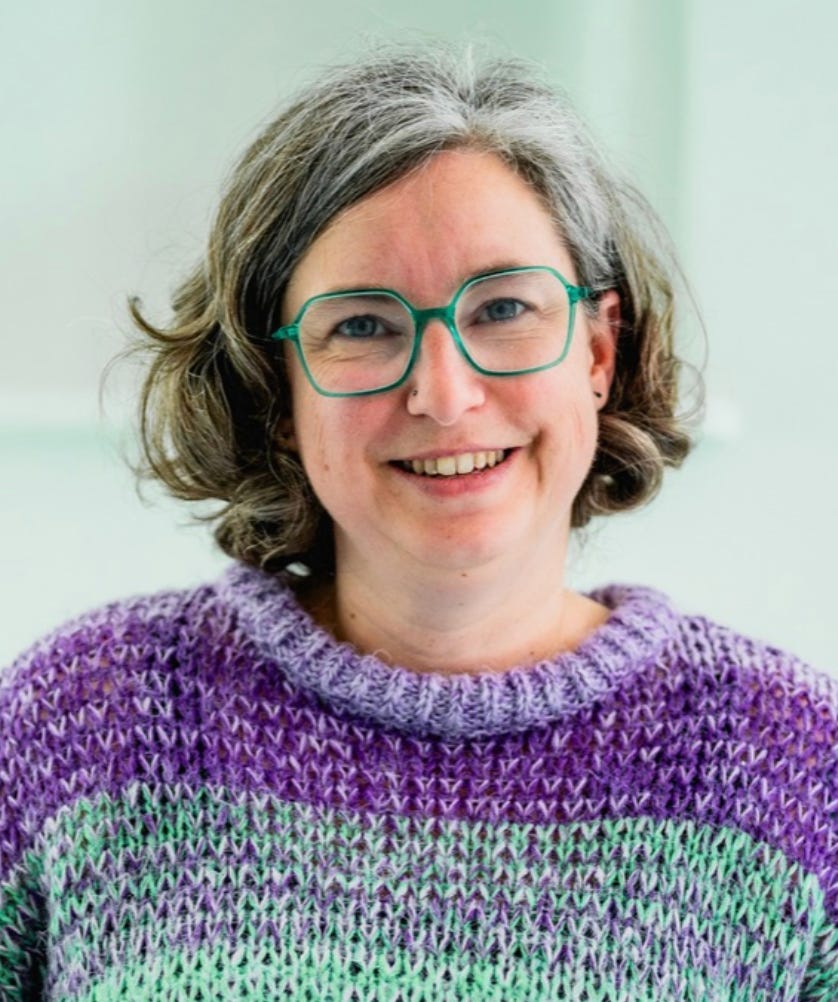
Ann Alice is your guide in Podcast Wonderland. She assists entrepreneurs and small businesses with the strategic use of podcasts as a marketing and communication channel. She worked for a large Flemish telecom company for almost 20 years in various roles within Sales & Marketing and HR Learning & Development.
In 2020, she took the step to start her own business and, in addition to her love of writing, discovered a new passion for podcasting. Since then, she has produced more than 1,000 podcast episodes for both her own podcasts and those of her clients, positioning herself as one of the leading experts in Belgium on how to launch and grow your podcast. She is the host of Why Do You Podcast, and has talked to more than 150 (and counting) podcast hosts about why they podcast.
drie boeken: In de podcast drie boeken duikt radiopresentator Wim Oosterlinck in de boekenkast van bekende en minder bekende Vlamingen. Vertrekkend vanuit de vraag: welke drie boeken moet iedereen volgens jou gelezen hebben? ontstaan er fijne gesprekken die veel breder gaan dan de drie gekozen boeken.
In the podcast Three Books, radio presenter Wim Oosterlinck dives into the bookshelves of well-known and lesser-known Flemish personalities. Starting with the question, “Which three books do you think everyone should read?,” he engages in fascinating conversations that go far beyond the three chosen books.
Ambetant: Ambetant is een podcast waarin co-hosts en neven Peter en Christophe gênante of frustrerende situaties die iedereen herkent onder de loep nemen. Aan de hand van persoonlijke anekdotes en wetenschappelijke weetjes kaderen ze het probleem, en in het beste geval komen ze meteen ook met een oplossing op de proppen om dergelijke situaties in de toekomst te voorkomen of het probleem voorgoed op te lossen.
Ambetant is a podcast in which co-hosts and cousins Peter and Christophe examine embarrassing or frustrating situations that everyone can relate to. Using personal anecdotes and scientific facts, they frame the issue and, in the best case scenario, immediately come up with a solution to prevent such situations in the future or solve the problem for good.
Kelly zegt foert: Door vaker foert te zeggen tegen regels, gedachten en gewoontes die je in de weg staan, kun jij voluit gaan voor waar je wel goesting in hebt. In haar podcast leert Kelly je opnieuw kijken naar jezelf en je omgeving en vol overtuiging foert zeggen. Ze spreekt alleen of met gasten over topics zoals persoonlijke groei, grenzen stellen, zelfliefde, perfectionisme, etc.
By saying “screw it” more often to rules, thoughts and habits that stand in your way, you can go all out for what you really want. In her podcast, Kelly teaches you to look at yourself and your environment in a new way and say “screw it” with conviction. She speaks solo or with guests about topics such as personal growth, setting boundaries, self-love, perfectionism, etc.
Thank you for sharing, Ann Alice!
You can connect with her on LinkedIn here.
🚀Events and Opportunities🚀
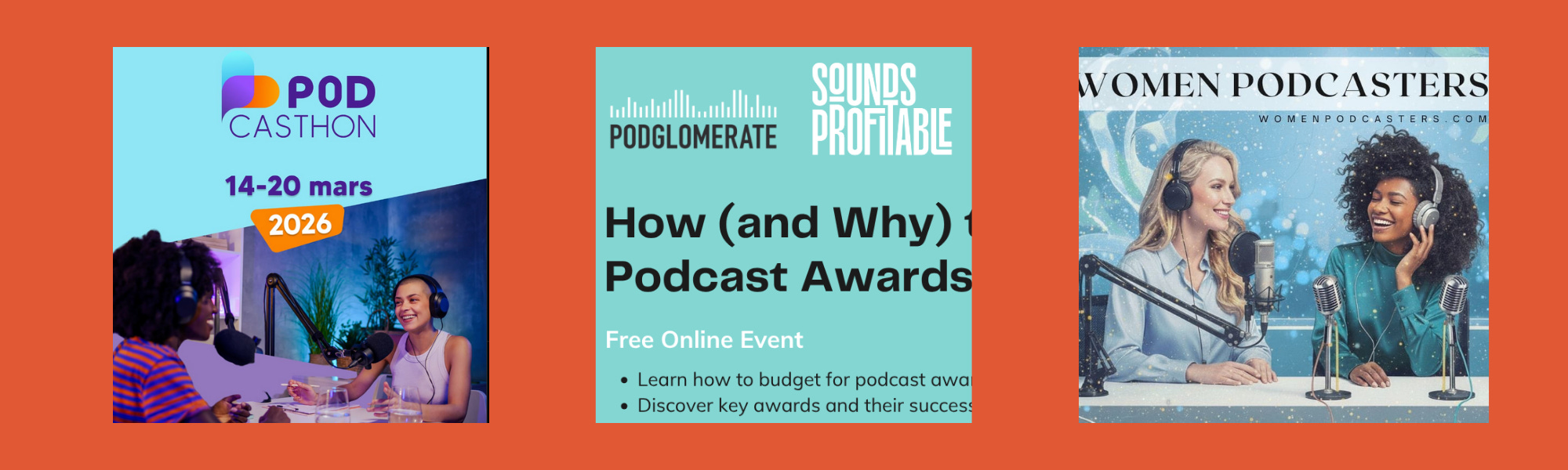
The world’s biggest podcasting event for charity! Late March 2025, 1,500+ hosts from 40+ countries released one episode each to spotlight a cause they care about. Let’s go even bigger in 2026! No money needed—just your voice. Choose any charity and format: an interview, solo episode, or story. All episodes drop during the same week, creating a wave of awareness across the globe.
When? Ongoing. You can pre-register for Podcasthon 2026 at any time, as applications are currently open.
Whether you become a nominee or a winner, entering a podcast awards competition enhances visibility, builds credibility, and showcases expertise. And it can help attract guests and collaborators, increase media exposure and podcast app feature opportunities, and open up avenues for monetization and grant funding. Join us for this exclusive webinar on December 11, presented by The Podglomerate and Sounds Profitable. And make sure to stay for our audience Q+A at the end of this live event.
When? December 1st.
Nominations are now open for the 2026 Women Podcasters Awards, one of the largest and most recognized celebrations of women in podcasting and broadcasting. Creators from around the world are invited to submit their shows during the nomination window from December 1, 2025 through March 31, 2026.
When? December 1 - March 31, 2026.
That’s it for now, thank you for reading!
Got an opportunity, podcast recommendation, or event to share for the next issue? Reply to this email or drop me a message.
Until next time,
Andreea Coscai
Great newsletter, it's packed with interesting pod stuff! I particularly enjoyed the interview with Thomas Veheim.